 Key West: A Melodic Tapestry of Paradise from 1960 to 1980
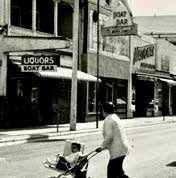
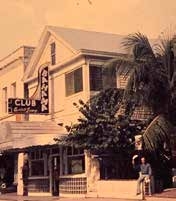
Nestled at the southernmost tip of the United States, Key West has long been a haven for dreamers, wanderers and artists. From the 1960s to the 1980s, this sundrenched island wasn’t just a tropical escape — it was a pulsating hub of musical innovation and eclectic culture. The unique atmosphere of Key West, with its confluence of Caribbean rhythms, folk traditions and rock influences, created an unforgettable music scene that continues to echo through timeIn the heart of this era lies the captivating tale of Anthony “Captain Tony” Tarracino, a larger-thanlife figure whose colorful presence bridged the worlds of music, storytelling and community. His story, vividly brought to life in “Paradise and Pirates: Key West the Way It Was,” by Keith Terracina, serves as a perfect lens through which to explore the vibrant soundtrack of the island’s golden age.
THE SOUNDS OF THE ’60S: FOLK MEETS FREEDOM
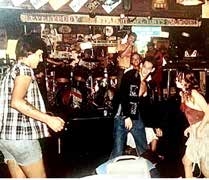
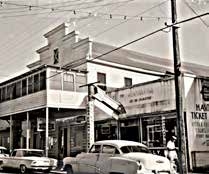
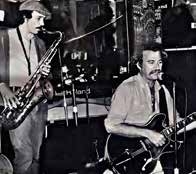
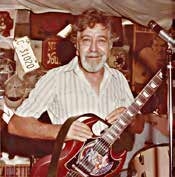
In the early 1960s, Key West was a sleepy fishing town with a bohemian undercurrent. This was when folk music, infused with the raw authenticity of artists like Bob Dylan and Joan Baez, made its way to the island. Local bars like Captain Tony’s Saloon — a venue Tarracino himself ran — became gathering spots for wandering minstrels and aspiring songwriters. These intimate spaces buzzed with the unamplified sound of acoustic guitars and heartfelt lyrics, as musicians traded stories and songs over cold drinks and salty air.
The saloon, its walls covered with decades of memories, offered more than music; it was a place where connections were forged. Here, one could meet a fisherman fresh off a shrimp boat, a struggling artist or a tourist mesmerized by the island’s magic. Each brought their own rhythms, and their blended experiences became the foundation of Key West’s burgeoning music scene.
THE ‘70S: CHAOS AND CREATIVITY COLLIDE
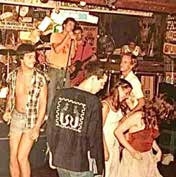
As the 1970s dawned, Key West transformed into a cultural melting pot, fueled by the free-spirited ethos of the counterculture movement. It was during this time that Captain Tony’s Saloon truly cemented its status as a musical landmark. Tarracino’s charisma drew a medley of characters — from local legends to rising stars — many of whom graced its tiny stage.
One notable figure was Jimmy Buffett, whose carefree melodies and stories of island escapades epitomized the Key West lifestyle. Songs like “Margaritaville” and “A Pirate Looks at Forty” painted vivid portraits of a life unbound by convention, much like the one Tarracino himself embraced. Buffett wasn’t the only one inspired by the island’s energy; countless other artists found their muse here, blending genres like rock, calypso and blues into their work.
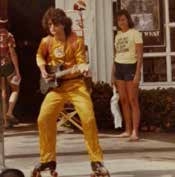
The decade also brought a darker edge. Key West’s proximity to the Caribbean made it a hotspot for smuggling, and the influx of drugs and money shaped both the culture and the music. Bands often performed in hazy, late-night jam sessions, their sounds influenced by the untamed atmosphere of the island. For some, this era represented freedom and excess, while for others, it carried a heavy cost.
VENUES THAT DEFINED AN ERA
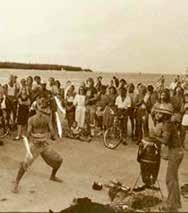
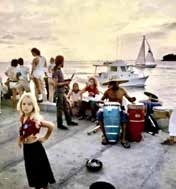
Beyond Captain Tony’s, Key West hosted an array of iconic music venues that contributed to its distinct sound. The Chart Room Bar, nestled within the Pier House Resort, became a popular haunt for locals and visitors. Its waterfront location was a perfect spot for spontaneous performances. Musicians could test new material or simply revel in the joy of playing.
Another standout was the Casa Marina, which regularly hosted large-scale events featuring regional bands and national acts. These venues, alongside countless impromptu beachside gatherings, created a landscape where music was as much a part of the scenery as the turquoise waters and swaying palms.
THE LEGACY OF KEY WEST’S MUSIC SCENE
The music of Key West from 1960 to 1980 wasn’t just a soundtrack — it was a reflection of the island’s soul. Its fusion of folk authenticity, rock rebellion and island rhythms captured the spirit of a community that thrived on creativity and connection — and still does.
In “Paradise and Pirates,” Keith Terracina’s portrayal of Captain Tony brings this era to life, offering readers a glimpse into a world where music, family and adventure intertwined. Through the eyes of a young narrator, we see how the songs of Key West weren’t just heard — they were felt, carrying the stories and emotions of an island like no other.
Today, the echoes of that golden age can still be found in the island’s lively streets and enduring venues. For anyone who has ever yearned for a life of untamed beauty and unforgettable melodies, the story of Key West during this transformative time is an invitation to dream, to explore and to let the music guide the way.
Photos courtesy of Keith Terracina